


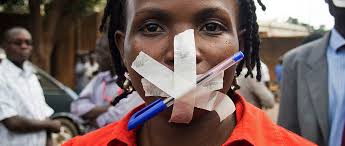
, Dr. Kojo Pumpuni Asante, has expressed concern over what he describes as a growing trend of arrests tied to alleged free speech violations in Ghana.)
Several Ghanaians including the Director of Advocacy and Policy Engagement at Centre for Democratic Development (CDD-Ghana), Dr. Kojo Pumpuni Asante, has expressed concern over what he describes as a growing trend of arrests tied to alleged free speech violations in Ghana.
According to Dr. Asante, the recent wave of arrests involving political figures, journalists, social media commentators, and online personalities risks creating a dangerous precedent that could undermine constitutionally guaranteed freedoms of expression.
Dr. Asante warned that criminalizing insults, commentary, or criticism of public officials could open the door to broader restrictions on civil liberties.
“When you start arresting people for insults, other kinds of behavior, including commentary on public policy and things like that, that is a slippery slope nobody wants to get in,” he stated.
“We are all going to be at risk if our voices are going to be attacked that way. This is about citizens; it happened to even media people online,” he added.
His comments follow a petition by the opposition New Patriotic Party (NPP) to members of the Diplomatic Corps over the arrest and prosecution of the party’s Bono Regional Chairman, Kwame Baffoe, popularly known as Abronye DC.
Abronye DC was arrested and charged under Sections 207 and 208 of the Criminal Offences Act for allegedly engaging in offensive conduct and publishing false news. His arrest and temporary detention have triggered strong reactions from opposition figures and civil society groups.
The controversy has intensified amid growing public debate over what critics describe as a broader crackdown on dissenting voices, particularly on social media platforms.
Several influencers, content creators, journalists, and political commentators have reportedly faced arrests or investigations in recent weeks over public statements directed at government officials and state institutions.
Civil society organizations have also raised concerns over what they describe as vague legal grounds being used to justify detentions, including instances where prosecutors argued that suspects could potentially commit future offences.
Dr. Asante further questioned the implications of the proposed Misinformation, Disinformation and Hate Speech Bill currently under consideration, cautioning that its broad scope could threaten freedom of expression if not properly defined and safeguarded.
Meanwhile, the NPP has accused the government of using state institutions to intimidate critics and suppress dissent.
In a strongly worded statement, the party’s Director of Communications, Richard Ahiagbah, claimed recent arrests signal a deliberate attempt to erode democratic freedoms and weaken constitutional protections.
Mr. Ahiagbah criticized the prosecution of Abronye DC, arguing that claims suggesting the politician could commit future offences—and the court’s acceptance of such arguments, set a troubling precedent for Ghana’s democracy.
The governing National Democratic Congress (NDC), however, has rejected allegations of political persecution.
Government officials and party representatives insist that freedom of speech does not exempt individuals from accountability under the law, particularly in cases involving alleged misinformation, defamation, or statements deemed capable of threatening public order.