


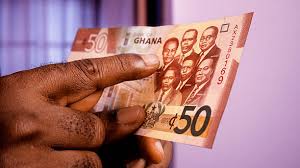

Ghana’s local currency, the cedi, has extended its decline in 2026, emerging as the worst-performing currency in sub-Saharan Africa and one of the weakest on the continent despite signs of improving macroeconomic conditions.
Recent market analyses, including reports by Reuters citing data from the London Stock Exchange Group (LSEG), indicate that the cedi has continued to depreciate sharply against the United States dollar this year, largely due to sustained foreign exchange demand from businesses, particularly companies operating in the energy sector.
Earlier this month, the cedi had recorded a year-to-date depreciation of approximately 10.28 percent, trading around GH¢11.36 to the dollar. However, the currency weakened further last week, closing at about GH¢11.61 to the dollar, deepening concerns over its performance.
According to Reuters, persistent corporate demand for foreign currency has remained a major driver of the cedi’s decline.
“Ghana’s cedi is being dragged down by persistent corporate foreign-currency demand, particularly from the energy sector,” the report stated, referencing LSEG market data.
The cedi’s continued slide has made it the weakest-performing currency in West Africa so far in 2026. The currency competes within a regional market that includes the CFA franc, which is used by eight West African countries.
The depreciation has renewed concerns about the disconnect between Ghana’s improving economic indicators and the persistent weakness of the local currency.
In recent months, inflation has slowed considerably, while government officials and financial authorities have highlighted broader economic stability measures aimed at restoring investor confidence and strengthening the economy.
Despite these improvements, pressure on the foreign exchange market has remained intense as importers and businesses continue to demand large volumes of dollars and other foreign currencies to support operations.
The weakening cedi has also translated into rising costs for imported goods and services, with some traders reportedly quoting exchange rates above official market benchmarks.
Market analysts say the sustained demand for foreign exchange remains a key factor weighing on the cedi, warning that the local currency could face additional pressure in the coming months if demand continues to outpace supply.