


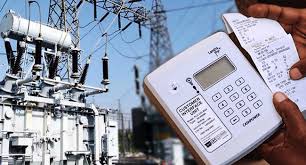

Many Ghanaians have taken to social media to express their distress over increasing electricity tariffs. Social media users have been unhappy with the rate at which electricity tariffs deplete.
In an emotional clip, a visibly distressed woman questioned why GH¢500 worth of prepaid power could not last her a month, despite what she described as minimal electricity usage.
“We started complaining about this light issue. What annoys me most is that one person came to sit on the internet and tell us that gadgets use energy. Look at my house, right? I, in my house, don’t have air conditioning. My fridge is off. I don’t use my sewing machine. I don’t use an iron. I don’t use any gadgets,” she said.
According to her, she typically spends between GH¢300 and GH¢400 monthly on electricity. However, after being advised to purchase credit in bulk, she bought GH¢500 worth of power only for it to run out in less than a month.
“I used to buy GH¢300 or GH¢400. You people said we should buy in bulk. I bought GH¢500, and it’s less than a month, the light is finished. Why? Like, why?” she asked tearfully.
Beyond her personal frustration, the young woman broadened her concerns to the general economic hardship facing many households.
“Some of us even struggle to get three square meals. Why are our leaders wicked like that? Some of us just want a normal, simple life, but we can’t afford it. This thing is getting tiring. We wake up every day just trying to survive,” she lamented.
Her comments have since resonated with many Ghanaians on social media, with netizens flooding the comment section to share similar experiences and demand greater transparency over electricity billing and tariff adjustments.
The concerns come against the backdrop of periodic electricity tariff reviews by the Public Utilities Regulatory Commission (PURC), which have often been justified as necessary to reflect changes in generation costs, fuel prices, exchange rate movements, and other macroeconomic factors.
However, several consumers online argue that while tariff increments may be technically justified, the practical impact on households, particularly low- and middle-income earners, is becoming increasingly unsustainable.
Several Ghanaians have called for a clearer breakdown of how prepaid units are calculated, including the effect of levies, service charges, and taxes that may reduce the actual units credited after purchase.
Still, many social media users insist that explanations alone are not enough, arguing that broader economic conditions, including inflation and stagnant incomes, have amplified the burden of utility costs.