


 is calling for a full parliamentary inquiry into the existence and purpose of an alleged government-sponsored WhatsApp group said to include members from key state institutions, selected individuals, and accountability bodies.)
The opposition New Patriotic Party (NPP) is calling for a full parliamentary inquiry into the existence and purpose of an alleged government-sponsored WhatsApp group said to include members from key state institutions, selected individuals, and accountability bodies.
Public attention was drawn to the platform after it was mentioned on Joy News’ Newsfile programme by Samuel Appiah Darko, Director of Communication, Strategy and Research at the Office of the Special Prosecutor (OSP).
Host Samson Lardi Anyenini explained that the group was created for the NEACAP Working Group, a coalition of independent experts, civil society representatives, and accountability institutions tasked with developing a new National Ethics and Anti-Corruption Action Plan.
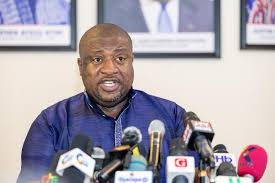
Addressing a press conference, NPP National Organizer Henry Nana Boakye challenged the official explanation, alleging that the WhatsApp group was deliberately designed to suppress dissent within Ghana’s governance landscape.
He claimed the group fits into what he described as President John Dramani Mahama’s broader plan to establish an “elective dictatorship.”
“These revelations cut to the heart of Ghana’s democratic order and raise urgent questions about coordinated interactions occurring under the guise of institutional independence,” Nana Boakye stated.
According to the NPP executive, the alleged composition of the group, suggested to include officers of the OSP, security agencies, Supreme Court representatives, journalists, and civil society leaders, poses a significant threat to the nation’s democratic checks and balances.
“This is the secret government-run virtual meeting place created by the Office of the President to enslave our nation’s most critical independent voices,”
he alleged.
Nana Boakye argued that the existence of such a platform compromises the independence of institutions mandated to hold the government accountable.
The NPP is urging Parliament to immediately summon individuals and institutions allegedly involved for questioning, citing the potential implications for transparency, civil liberties, and the integrity of Ghana’s democratic systems.