


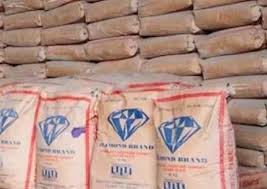

Cement industry players warn that mounting demurrage costs, with vessels reportedly waiting between 13 and 20 days to secure berthing space, may ultimately be passed on to consumers if urgent measures are not implemented.
The concerns dominated an emergency meeting convened on Monday, February 23, 2026, by the Minister for Trade, Agribusiness and Industry, Elizabeth Ofosu-Adjare, in collaboration with the Minister for Transport, Joseph Bukari Nikpe.
Chief Executive Officer of the Chamber of Cement Manufacturers Ghana (COCMAG), George Dawson-Ahmoah, described the situation as dire, stating that the cement industry is “leaking” financially due to escalating demurrage charges.
According to manufacturers, the longer vessels remain offshore awaiting berth allocation, the higher the operational costs — expenses that could reflect in domestic cement prices if the congestion persists.
Although industry representatives acknowledged ongoing dredging works at the port, they called for immediate interim measures. These include granting temporary access to additional berths and allowing non-dust producing raw materials such as gypsum and slag to be handled at alternative berths to ease pressure on existing facilities.
Responding to the concerns, Mr Nikpe assured stakeholders that government is fast-tracking dredging works to expand berth capacity and accommodate larger vessels. He explained that current berths can only handle ships of up to 8,000 tonnes, contributing to longer turnaround times and congestion.
Once the dredging project is completed, expected by the end of June, the port will be capable of receiving vessels exceeding 20,000 tonnes, significantly reducing traffic and waiting times, he said.
The Transport Minister added that portions of the dredging works, particularly around Berth 14, are expected to be completed within one to two weeks, offering partial relief ahead of the full completion deadline.
For her part, Mrs Ofosu-Adjare stressed that port inefficiencies directly increase production costs, which ultimately affect market prices.
“If we want good prices, we must also perform our part of the bargain to ensure that production costs remain efficient,” she stated, emphasising that even a single day of operational delay can translate into millions of dollars in losses.
President of the Association of Ghana Industries, Pharm. Kofi Nsiah-Poku, commended the Ministers for their swift intervention and collaborative approach. He expressed optimism that interim measures, coupled with the completion of dredging works by June, would help restore efficiency and stabilise production costs.