The Minority in Parliament has launched a scathing attack on the government, accusing it of imposing an “unprecedented” wave of new taxes and tariff hikes within the first seven months of its administration a move they say is deepening the economic hardships facing ordinary Ghanaians.
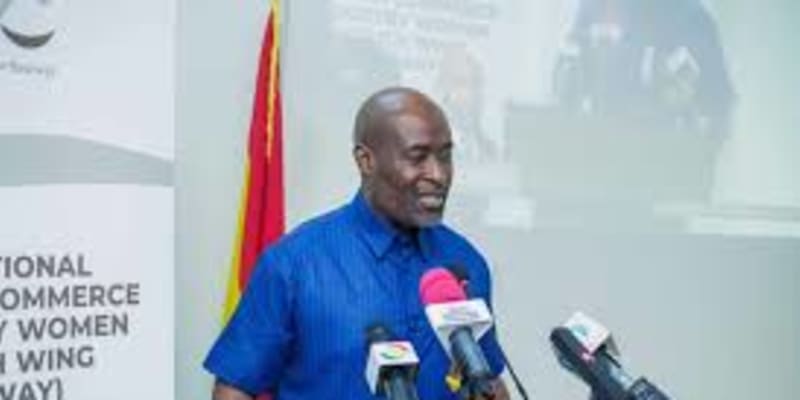
Addressing a press conference in Parliament on Tuesday, July 29, Deputy Ranking Member on the Finance Committee, Dr. Gideon Boako, catalogued a series of what he described as stealthy and aggressive fiscal measures that contradict the government’s campaign promises to alleviate tax burdens.
“In seven months, after claiming to abolish taxes that were non-existent, this government has introduced about ten new tax handles. This is unprecedented in our history,” Dr. Boako stated.
According to Dr. Boako, the government has significantly increased the Growth and Sustainability Levy from 1% to 3%, and extended its sunset clause from 2025 to 2028, effectively prolonging its impact on businesses and consumers alike.
He also highlighted the introduction of a 1% Special Import Levy, a 21.9% VAT on life insurance premiums (excluding motor vehicle coverage), and several sector-specific cost increases:• Diesel prices up by 5%• Petrol prices up by 2%• Locally manufactured plastic products up by 7%• Water tariffs up by 4%• Electricity tariffs raised by 14.75% in April and 2.45% in July
The Minority warned that the cumulative effect of these fiscal measures is creating structural cost pressures across the economy. Dr. Boako cited recent data from the Ghana Statistical Service (GSS) showing a year-on-year electricity inflation of over 130%, describing it as a direct consequence of the government’s tariff policies.
“One does not need a seer to tell us that the average Ghanaian is being made worse off,” he remarked.
The Minority insists the government’s tax approach lacks empathy and economic sensitivity, especially at a time when many households are grappling with stagnant wages, high food inflation, and limited access to credit.
“These taxes have introduced significant structural cost pressures and they are affecting the everyday life of the Ghanaian,” Dr. Boako added.
⸻
The opposition is calling on the government to urgently reconsider its fiscal strategy, warning that the tax overload risks slowing economic recovery, undermining business confidence, and deepening public discontent.